Author's tour "Alluring Peru"
“Peru is the whole world in miniature,” wrote Mario Vargas Llosa, a Nobel native of the country. This Latin American country truly amazes with its natural diversity and architectural heritage. The Latin American country also attracts with an aura of mystery: the mysterious culture of the Inca Empire with their rituals and unusual traditions. Guides to Peru deservedly call the country the tourist center of Latin America. Why is it worth going to the other side of the planet, so distant and foggy?


Route description
We have developed a tour program that is great for small groups as well as individuals
1day Day 1: Lima
Arrival in Lima at Jorge Chavez Airport. Meeting and transfer to the hotel. Accommodation in a 3* hotel "Britania" or the same category.
2day Day 2: Lima
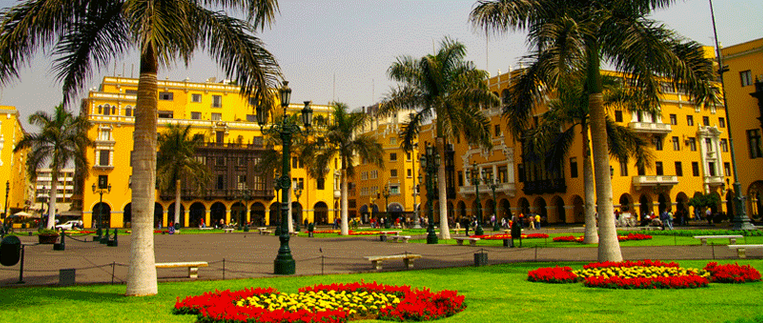
Breakfast. At 9.00 - City tour of Lima and the Casa Aliaga Museum. Lima is a large and one of the most beautiful cities in Peru and Latin America. The city was founded in 1535, when the Spanish colonialists used it as an outpost during hostilities in Peru. At one time, this city had a second name - the City of Kings, because it was in Lima that luxurious cathedrals and magnificent mansions of the Spanish nobility, as well as the viceroy's palace, were built. The architectural buildings of those times still delight the eye with their splendor and add a special charm to the city itself. Lima is located on the Pacific coast at the foot of the Andes and is not only the largest metropolis in South America, but also a unique city offering tourists a lot of entertainment and opportunities to have a great rest. The excursion begins from Miraflores with a visit to the Lovers' Park, the Olive Park, ancient colonial estates in the San Isidro area, as well as a panoramic visit to the Huaca Puclana pyramid, the most mysterious and amazing attraction of Lima. Researchers believe that it was built about 2.5 thousand years ago, but they learned about it only recently, in the middle of the 20th century. Lima is a city that has preserved the history of the colonial period, the rule of Spanish governors and conquistadors. You will visit three of the most important buildings of that era, located in the main square of Plaza de Armas: the Municipality, the Government Palace, and the Cathedral with the tomb of Francisco Pizarro. A visit to the house of the “Casa Aliaga” museum, which was built on the foundation of an ancient pyramid of the Inca period in May 1536, at the time of the founding of the city. The house belonged to the Spanish conquistador Jeronimo De Alteaga, an ally of Francisco Pizarro. There is no other mansion in America in which the same family has lived for so many years, from generation to generation. Many historical treasures are preserved in the house, and the house gives a complete picture of the life of the nobility during the colonial period. Additionally: Another main attraction is the Gold Museum, which houses a huge private collection of various gold and silver jewelry, precious stones, textiles, and ceramics. Return to the hotel.
3day Day 3: Lima / Cusco
Breakfast. Transfer with driver only from your hotel to the airport for your flight to Cusco. Arrival, meeting at Cusco airport and transfer to the hotel. After a short rest in the afternoon - a sightseeing bus tour of Cusco. At an altitude of more than three thousand meters above sea level is the most mysterious city of Peru - Cusco. Since ancient times, it has been known as the capital of the Incas and is considered the archaeological and historical center of all of South America; it still fascinates and envelops us in ancient mystery. According to local legends, the city was founded by the first representative of the Incas, Manco Capac, who settled here after coming from the shores of Lake Titicaca. Visiting architectural complexes: 1) Sacsayhuaman Fortress - a fortress and temple complex built by the Incas in the 15th century. Today, the complex consists of three tiers of walls made using the technique of cyclopean masonry from giant stone blocks. The largest of them weigh more than 3,000 tons and were delivered from a distance of several tens of kilometers. Some archaeologists believe that the walls predate the Incas, who built several places of worship within the walls. 2) Kenko Temple, which is awarded the title of archaeological monument in the Sacred Valley. In its shape, it resembles an amphitheater that was carved into the rock. It was here that the Incas performed the main sacred rites. This is not just a sacred place, it is the abode of four temples located on the mountain slope: the Puka Pukara fortress and the Tambomachay water temple. 3) Temple of Coricancha - “Golden Temple” was the main shrine in the Inca Empire. When the conquistadors invaded, the temple was destroyed, and its foundation became the beginning of the construction of a new cathedral of Santo Domingo. According to ancient legends, all the walls and interior were covered with gold. However, after the invasion of the Spaniards, the Indians managed to take all the precious parts and take them with them. At that time, there was a large golden altar inside and there was a huge golden disk on which was depicted the Sun God Inti. Additionally, it is possible to visit the Cathedral of Cusco (+ $20 excursion for 40 minutes). Return to the hotel. Rest.
4day Day 4: Cusco / Machu Picchu / Cusco
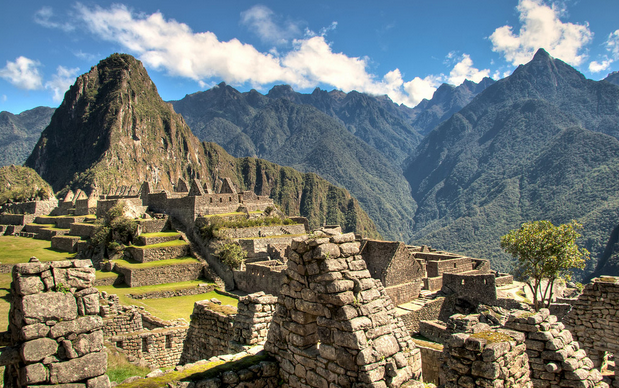
Breakfast. At the appointed time, meet at the hotel with a Russian-speaking guide and transfer to the railway station. Board the train and travel to Hot Springs. Next is an excursion to Machu Picchu, an Inca city that existed for just over a hundred years. It was erected by Pachacutec, the ruler of the Empire, as a residence-sanctuary. The city had a palace complex, dwellings of noble people of the empire and a temple complex. Machu Picchu is a real mystery, since the city was abandoned, and archaeologists have not yet figured out the reasons for this. The city is located high in the mountains, at an altitude of 2450 m above sea level, so it was not destroyed and plundered by the conquistadors. Machu Picchu was discovered in 1911 thanks to the American scientist Hiram Bingham. The city was built using construction technologies that amaze even modern people: buildings built on slopes are stable, stone blocks are carefully adjusted, buildings fit into the surrounding landscape. Since 1983, Machu Picchu has been included in the list of UNESCO Heritage Monuments, and since 2007 - in the list of New Wonders of the World. In the afternoon - descent to Aguas Calientes. Lunch at the national restaurant “Ayasca I”. Return by train to Cusco. Arrival and transfer to the hotel.
5day Day 5: Cusco
Breakfast. Free day. Extras: Excursion to the Sacred Valley of the Incas $225. Many ruins of ancient cities lie in the sacred valley of the Incas: Pisac, Ollantaytambo, Chinchero, Urubamba. At the art fair in the town of Pisak you can buy handicrafts - ceramics, carpets, souvenirs, silver and leather goods. At the Huanacancha ZOO center, tourists admire and take part in feeding charming llamas, alpacas, huanacos and vicuñas, and get acquainted with the process of dressing and natural dyeing of wool. The tour then continues to the archaeological site of Ollantaytambo, one of the most important military installations of the Incas. Lunch is a buffet in a restaurant serving national cuisine. Return to the hotel.
6day Day 6: Cusco / Puno
Breakfast. Transfer to the bus station for transfer by tourist bus to the city of Puno. Along the way you will have a stop in the village of Andaguailillas, famous for the Church of San Pedro Andaguailillas. The church is called the Sistine Chapel of South America for its amazing paintings. It was built in 1631 on the basis of the ancient Inca temple. The interior of the temple is incredibly beautiful and richly decorated, but the outside is quite modest. Unique painting, luxurious sculpting - all this makes the church the calling card of the village of Andaguailillas and the treasure of the Urubamba Valley. Next stop is Rakchi Temple. This is an archaeological site of the Inca era, which was once a religious center, which is located at an altitude of 3.5 kilometers above sea level. The temple, which is 92 meters long and 25 meters wide, is dedicated to the creator god Viracocha. This is the only Inca monument where columns were used to support the roof of the temple, of which there were 22 in total. Lunch buffet in the town of Sikuani. Next stops: La Raya (4400 meters above sea level) and Pucara, where you will visit the Litiko Museum. At approximately 18.00 - arrival in Puno, which is the capital and largest city of the province of Puno in the southeastern part of Peru. It is located at an altitude of 3860 meters above sea level on the shores of Lake Titicaca, which is considered the largest high-altitude navigable lake on the planet. It was on Lake Titicaca that Thor Heyerdahl built his famous reed raft, the Kon-Tike. Accommodation in a 3* hotel.
7day Day 7: Puno / Lake Titicaca / Lima
Breakfast. Transfer to the port for departure to Lake Titicaca. For many Peruvians, Lake Titicaca is a sacred place. They believe that Manco Capac, the first Inca leader, was a direct descendant of the Sun and was born in the waters of the lake. Today, the Uros Indians, who live on the islands of Lake Titicaca, consider themselves “lake people” by birth. Excursion to the Floating Reed Islands of Uros - more than 40 man-made islands. Here you will learn the history of the islands and its people, you can buy numerous souvenirs and ride on a reed ship. To experience true Peruvian exoticism, you will visit the island of Taquile deep in Lake Titicaca. Time seems to have stood still here. Residents live by their own laws and moral rules; there is no crime, police, transport, cats or dogs. The main settlement is located in the mountains, at an altitude of 3950 above sea level. The island is famous for its ethnic cultural values - the population of the island preserves ancient traditions, especially when it comes to weaving. For its weaving art, the island was declared a “Masterpiece of the Oral and Intangible Heritage of Humanity” by UNESCO in 2005. Lunch on the island. Return to Puno.
8day Day 8: Puno - Lima
Breakfast. Transfer to the airport for flight to Lima. Meeting at Lima airport. Transfer and overnight in a 3* hotel “Britannia” or the same category. Free day in Lima. Additionally, you can book a Paracas-Nazca excursion. At 4.30, transfer by individual minibus to Paracas. At the port, at 8.00 boarding a high-speed boat for an excursion to the Andean Candelabrum of Paracas and the Ballestas Islands. The Andean Candelabra of Paracas is a giant ancient drawing on the slope of the coast, made in the same technique as the Nazca drawings. The height of the Candelabrum is 128 m and the width is 74 meters. The thickness of the lines varies from 1.5 to 4 m, and the depth reaches 60 cm. The Ballestas Islands are a place where you can observe the life of penguins, sea lions and many species of birds. With some luck, you can spot dolphins on a boat trip to the islands. After a 2-hour excursion, transfer to the airport by bus for a flight over the Nazca Lines. The Nazca Desert is famous for its giant paintings of animals, humans and geometric shapes that can only be seen from a bird's eye view. Lunch at a national restaurant. In the afternoon transfer to Lima. Return to the hotel. Additionally: City tour of Lima, and also offer a buffet dinner of national cuisine with a folklore show and transfers (from 19 to 22)
9day Day 9: Lima
Breakfast. Transfer to the airport for your flight home. On the way to the airport, we suggest visiting one of the 25 best museums in the World - the Larco Herrera Museum. It was founded in 1925 and is located in the home of the Viceroy of Peru. The 18th-century colonial-style house stands at the very top of the pyramid. Within its walls there is an incredibly rich collection of ceramics, fabrics, jewelry, gold, mummies, and also one of the richest collections of pottery with an erotic hint, unique in its kind. The total number of exhibits is 45 thousand. All of them tell about the history, life and culture of such civilizations as the Incas, Moche, Nazca and Chimu. ($50 per person). There is a very good national cuisine restaurant “Café del Muzeo” here.
Cost and dates
| Type of accommodation: | with 3* hotels Lima “Britania” 3*, Cusco “7 Ventanas” 3*, Puno “Conde de Lemos Inn” 3*, or other hotels of the same category additional night in Lima $125 per room, TPL $189 | with hotels Lima “Exclusive” 4*, Cusco”Dorado” 4*, Puno “Casona Plaza” 4*, or other hotels of the same category. extra night in Lima $164 per room TPL $245 | with 5* hotels Lima “Casa Andina” 5*, Cusco “Libertador” 5*, Puno “Libertador” 5*, or other hotels of the same category additional night in Lima $299 per room SGL,DBL |
|---|---|---|---|
| Double occupancy from 1 person | $2414 | $ 2653 | $3581 |
| Individual room | $ 2917 | $ 3342 | $ 4528 |
| Extra bed | |||
| Meals |
Other tours in Peru
Choose the program that fits your trip.
 Via Ferrat, Zip Line and Sky Lodge in the Sacred Valley
 Peru: Inca Empire Tour – Lima, Cusco & Machu Picchu
 Peru: Land of the Incas - Cultural Journey
 Peru 2026: Connect your energies
 Tour to Peru 2026
 Tour The Many Faces of Peru
 HISTORY OF THE GREAT EMPIRE
 Great Empire History + Pacific Beach Vacation Tour
 Alluring Peruvian classic
 All the Many Faces of Peru
 The many faces of Peru + Amazonia
 Alluring Peru + Paracas
 The many faces of Peru + beaches of Tumbes
 All the Many Faces of Peru
 The many faces of Peru - Bolivia
 History of the Great Empire 1 New Years tour
 The Many Faces of Peru Argentina
 Esoteric Many Faces of Peru Shaman HARINGAS
 The many faces of Peru Easter Island
 Adventures in the Andes (with the Belmond collection)
 The many faces of Peru – Ecuador, Galapagos
 The many faces of Peru - Bolivia - Salar Uyuni
 South America - the origins of civilization and their unsolved secrets!
 New Years HISTORY OF THE GREAT EMPIRE
 Inka Deluxe
 Feel Peru-Ecuador
Allow yourself
explore the world
in a new way
If you haven’t found the desired direction, be sure to leave your request to us - we will lay out a comfortable route to the place of your dreams!


